

Trump's double blockade
US naval blockade in the Strait, a NASA splashdown in the Pacific, and the sinking of Orbán in Hungary.

Talk about history never having ended. The breakdown of the talks between the US and Iran in Islamabad. The splashdown of Artemis II. The end of the Viktor Orbán era in Hungary. There is so much news from over the weekend to digest…..
Iran war
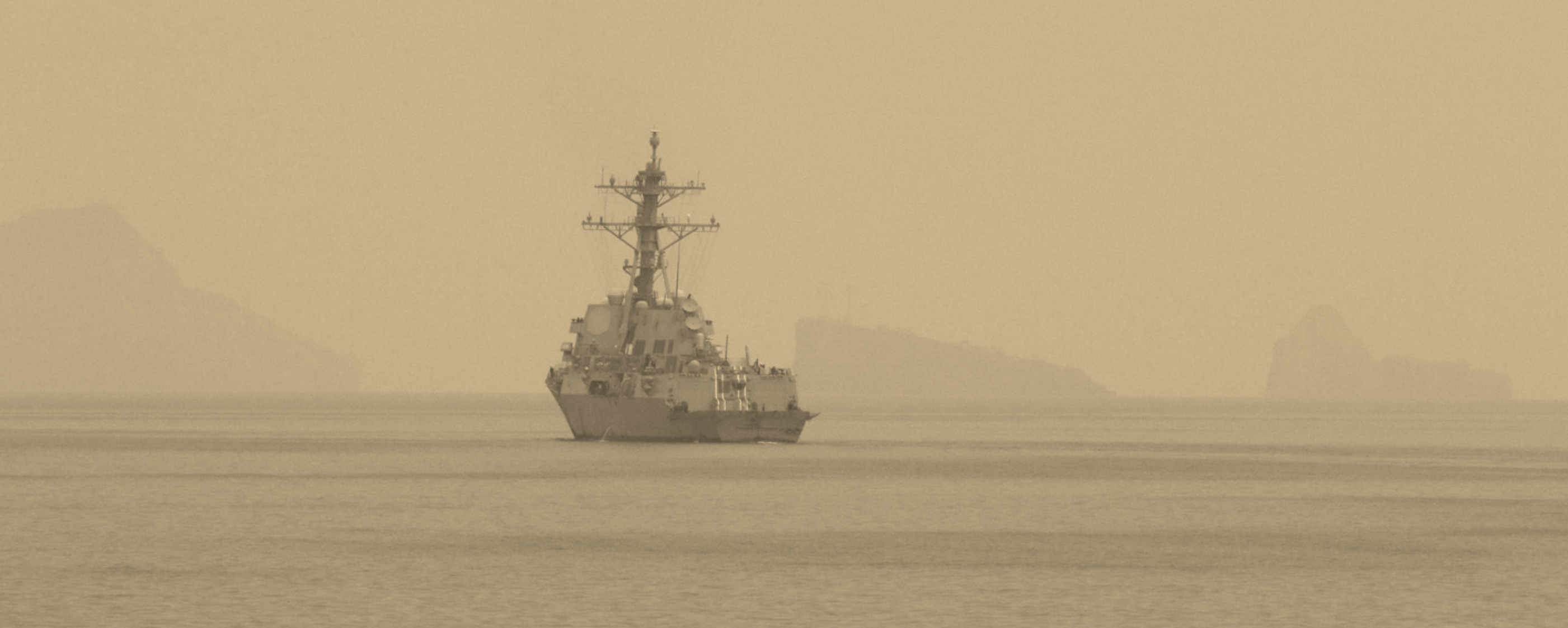
After the breakdown of talks in Islamabad over the weekend between a US delegation led by Vice-president JD Vance and Iranian officials, Donald Trump has announced a naval blockade of the Strait of Hormuz. It is, in effect, a double blockade, given Iran’s stranglehold over that maritime chokepoint. Trump has warned the US navy will interdict any merchant vessels that have paid tolls to Iran to pass through. "Any Iranian who fires at us, or at peaceful vessels, will be BLOWN TO HELL!" he also threatened.
Over the past six weeks, Iran has demonstrated it can withstand more military pain than the Trump administration can withstand economic pain - and the political fall-out that goes with it. That’s why Trump was eager for a ceasefire and made Tehran’s 10-point wish-list the basis for what ended up, unsurprisingly, being failed talks in Pakistan. The president is keen for a quick end to this conflict, and wants to avoid a military escalation that would draw the United States more deeply into a deeply unpopular war. After Islamabad, that still remains the case - for now, at least.
The obvious problem with his naval blockade plan, which relies on economic pressure rather than a return to military action, is that it will exacerbate the problem he is trying to sole: the economic pain that Iran has already inflicted by restricting shipping and driving up fuel and fertiliser prices. On Friday, we learnt US inflation reached 3.3% in March, its highest level in almost two years. The double blockade will be inflationary.
The failure of talks in Islamabad shows how far apart are the two sides, most notably over the nuclear question. US red lines included ending all uranium enrichment, retrieving Iran’s stockpile of highly enriched uranium and dismantling its nuclear enrichment facilities. Anathema to Tehran. “In short, the maximum the Iranian regime is willing to offer does not come close the minimum the US administration is demanding,” noted Danny Citrinowicz of the Atlantic Council.
The talks, the highest ranking meeting between Washington and Tehran since the Iranian revolution in 1979, also demonstrated how much stronger Iran believes it it now than in Geneva more than six weeks ago during the failed negotiations that sparked Operation Epic Fury. Trump needs a quick fix. The murderous regime in Tehran, decapitated but also emboldened, is playing a longer game. It can reject US terms, and Trump’s core demand not to end its nuclear programme, because it still effectively controls the Strait of Hormuz - despite the Pentagon claiming two of its US warships “transited” the Strait over the weekend to conduct mine clearance operations. The veteran French diplomat Gérard Araud, who served as ambassador to the US and UN, proffered two hypotheses for the failure of negotiations which he said were not mutually exclusive: “(1) that the Americans failed to grasp that the Iranians did not see themselves as defeated and did not adjust their demands accordingly, and (2) that the Iranians overestimated their hand.” That’s a worrying dynamic, because for the conflict to end soon Trump needs some sort of concession from Iran that he can present as a face-saving win, even if it isn’t a genuine win.
Trump is learning that conflicts are so much harder to end than they are to start. War 101. After his swift success in Venezuela, he did not expect Operation Epic Fury to last this long, with such inconclusive results. The murderous Tehran regime, he miscalculated, would buckle under US and Israeli air strikes.
Trump’s anti-Obama doctrine, which led him during his first term to rip up the 2015 JCPOA nuclear deal which took two years to negotiate with Iran, the UK, France, Russia, China, Germany, is also looking like an even bigger strategic error. “It took us 12 years and an immense amount of technical work,” opined Federica Mogherini, the former Italian diplomat who led the EU delegation during that laborious process, “anyone seriously thought an agreement could be reached in 21 hours….?”
Artemis II
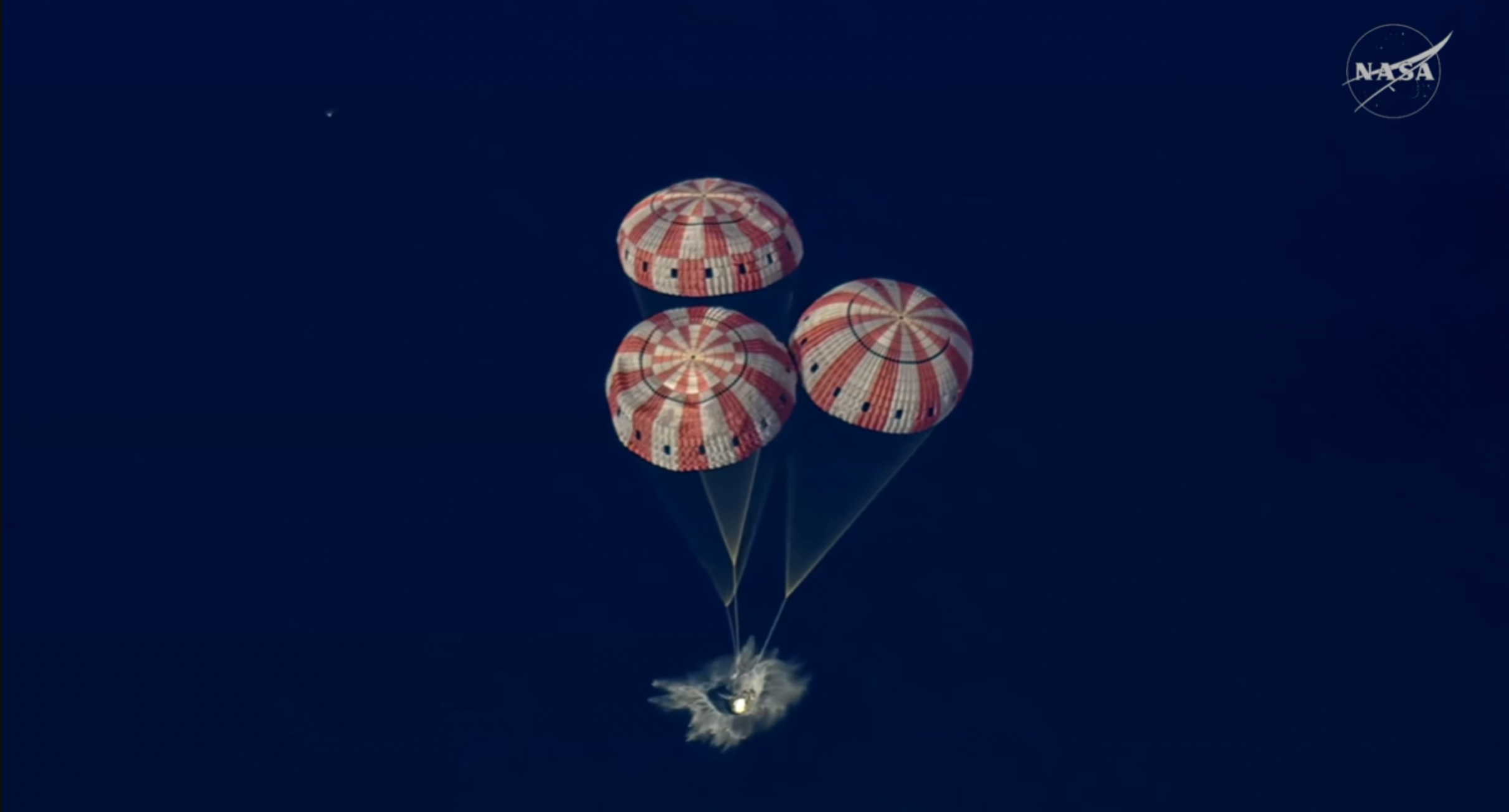
NASA can still put on a show, and has a habit of producing galactic wonders when America’s earthly reputation is in a ditch. The moon landing came in 1969 at the end of a decade which had witnessed Vietnam and a spate of political violence which revealed the ugly side of American exceptionalism. John F. Kennedy, the president who in 1961 committed his country to land a man on the Moon and return him safely to Earth before the end of the decade, had been slain in Dallas in 1963. His younger brother, Robert Kennedy, had been assassinated in June, 1968. Just 62 days before, the Reverend Dr. Martin Luther King Jr. had been murdered in Memphis. For a beleaguered nation, the moon landing provided a much-needed morale boost.
NASA performed awe-inspiring heroics in 2021, months after the horror of the storming of the Capitol Hill on January 6th. The following month, it safely landed the Perseverance rover on Mars and then engineered an encore with the launch of its ingenious helicopter, Ingenuity.
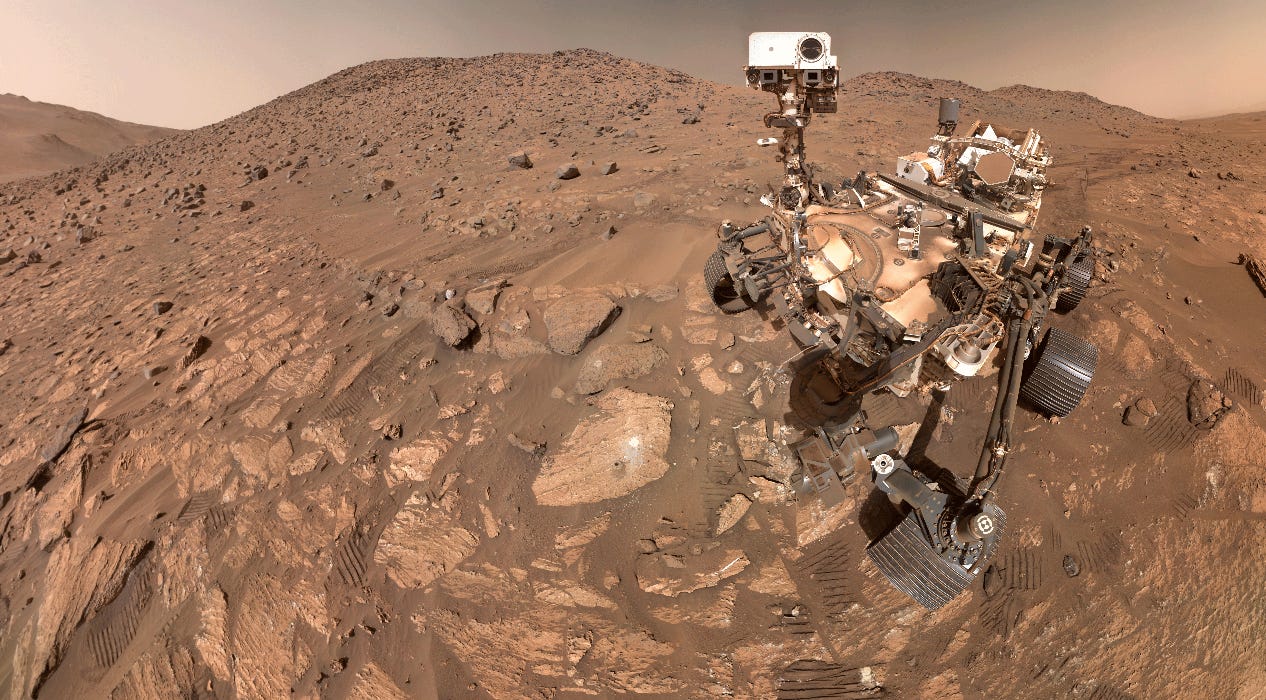
In 2026, in a chronically polarised country, Artemis II delivered a rare moment of unity, and stirred the national imagination - something NASA has often struggled to do since the grounding of the space shuttle programme in 2011. As USA Today put it: “The wonder of it all helped us forget our differences − at least for a few spins of the Earth.”


I’m struck by the confluence of milestone moments for NASA and milestone moments in US politics. The Columbia shuttle disaster in February 2003, which I covered from Cape Canaveral in Florida, happened just days after President George W. Bush delivered a state of the union address outlining his case for invading Iraq. The moon landing in July 1969 occured the same weekend as what became known as “Chappaquiddick”, when Senator Ted Kennedy was involved in a traffic accident which killed a young campaign aide, Mary Jo Kopechne. President Richard Nixon that weekend rejoiced in the Stars and Stripes being planted on the moon, and also seeing Ted Kennedy, his most threatening potential rival in the 1972 presidential election, being mired in scandal.
This time we’ve witnessed another split-screen America moment: Operation Epic Fury at the same time as an operation of epic wonderment. Scientific American has put together a stunning photo gallery of the 12 defining images of the Artemis II mission which is worth checking out.
End of Orban
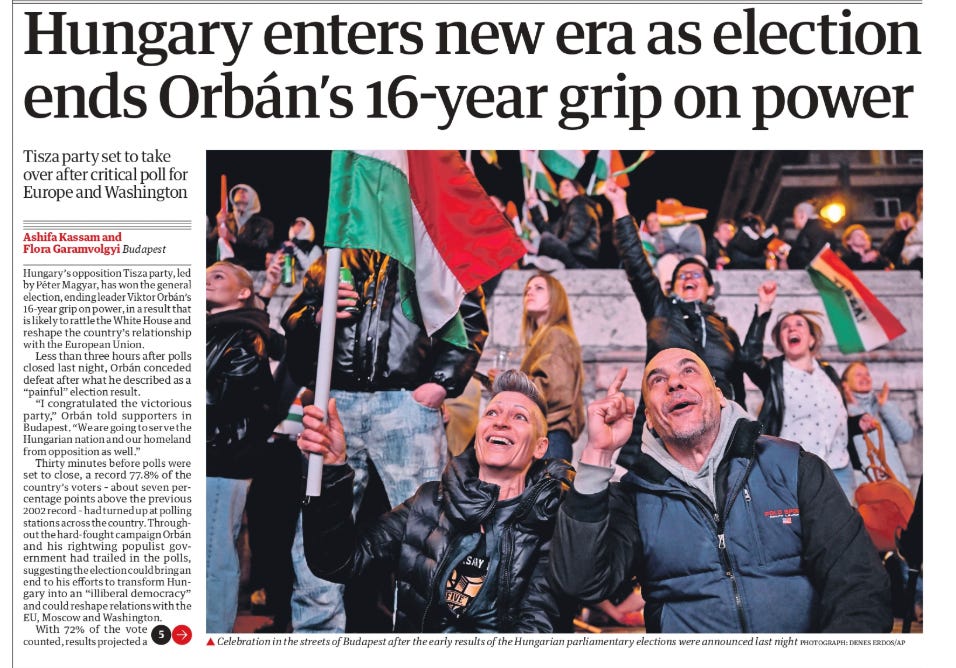
In a huge setback for far right nationalistic populism, Viktor Orbán has suffered a landslide defeat in the Hungarian elections Orbán, who became an icon of the global far right during his 16 years in power, had been endorsed by Donald Trump. Vice-president J.D. Vance had campaigned last week on his behalf (it has not a great weekend for Vance, given the failed talks in Islamabad). The Kremlin also interfered in the election to help him win. Yes, we live in an era when Washington and Moscow are rooting for the same far right prime minister.
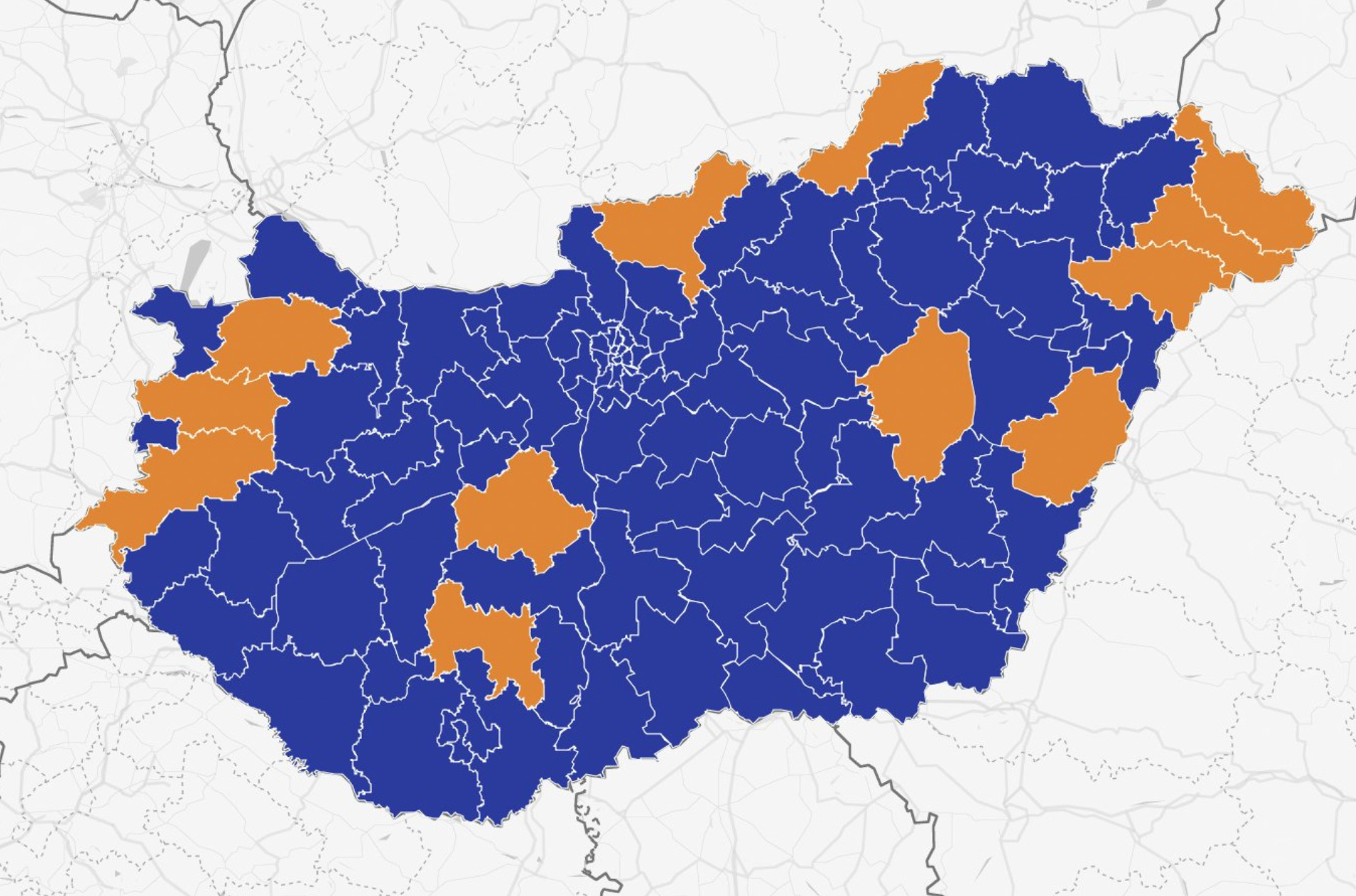
Péter Magyar, a one-time Orbán loyalist who switched to the centre-right Tisza party only two years ago, has achieved a stunning victory. Tisza looks set to easily win more than 133 parliamentary seats- the super-majority required to alter the Hungarian constitution and reverse the damage to democracy that Orbán’s authoritarian constitutional changes wrought. The departing prime minister, for example, had very few checks on his power. This looks like being the new political map of Hungary, with the blue signifying wins for the opposition Tisza party and orange for Orbán’s Fidesz party.
“Europe’s heart is beating stronger in Hungary tonight," declared EU Commission President Ursula von der Leyen, a reaction which once against underscored the breach in the trans-Atlantic alliance. Sir Keir Starmer called it an “historic moment, not only for Hungary, but for European democracy.” Both comments showed how Hungary had become a proxy battle between the European far right and traditional centre-right and centre-left parties.
Global freedom has been in decline for decades. In its latest report, Freedom House, the democracy watchdog, reported that the world’s democracy recession was in its 20th consecutive year, with 54 countries experiencing a deterioration in political rights and civil liberties with only 35 seeing improvements. Péter Magyar has bucked that historical trend, much to the relief of Europe’s mainstream parties.
“Arc de Trump”


On the subject of authoritarianism, Donald Trump unveiled the latest renderings for a giant triumphal arch topped by a golden Lady Liberty. Naturally, Trump boasted it would be “the GREATEST and MOST BEAUTIFUL Triumphal Arch, anywhere in the World.”
For Trump, size matters. His arch will be 250 feet tall, compared to the Lincoln Memorial’s 99 foot elevation and the 60 foot facade of the White House. For Trump, bling is very much the thing. The style, then, is casino-style kitsch, with the sort of gold flourishes that might make even Liberace’s interior designer balk. It is yet another attempt to make Washington, a capital named after the country’s first president, more personify Trump.
Some history. In the planning of the new capital, George Washington told the French architect Pierre Charles L’Enfant that while he favoured a system of broad avenues he rejected the European penchant for monuments - and especially those to individuals. The former general did not go in for hero worship. In fact, he was a reluctant president. Ahead of his first inauguration in New York in 1789, he lamented how his “movements to the chair of government will be accompanied with feelings not unlike those of a culprit who is going to the place of his execution.” For Washington, the presidency was something of a gilded cage.
Thanks again Nick - you have pinpointed the three things I wanted to express - my 9 years diplomatic work with the US, multiple stints in Canberra (but mostly flitting around the world) as an arms control and trade negotiator (a Pisces always swims in various currents!) and four years covering Europe- have opened me to the mental gymnastics of foreign policy you so nimbly cover.
Thanks Nick. Interesting and helpful comments. But I’m puzzled at the routine description of the ‘murderous Iran regime’, and no equivalent description of the murderous US regime, given recent unprovoked aggression, even if some of the murders were committed by the (also murderous) Israeli regime. What does it take to be called a ‘government’ or an ‘administration’, instead of a ‘regime’. Language matters.